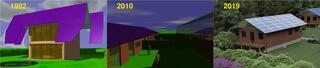
AbstractThere is a big difference between having electricity just as the sun shines, 24-electricity, and 24×365 electricity. There is a big difference between replacing 8 kWh thermal energy by 1 kWh electricity at scooters (very small gasoline engines have terrible efficiency) and replacing 1.6 kWh thermal energy by 1 kWh electricity by changing cement production from heating the clinker by burning to heating it by electricity. Some decades ago, it was great for the first photovoltaic owners to run the washing machine when the sun shone. Now the target is to run energy-intensive industry even during a dark doldrum at a competitive price. Many thought about the energy transition, “We have to do it, whatever it costs”. This idea is a sure way to lose. To meet the necessary cost optimization targets, we cannot hold the energy problem separate from all other problems: another major problem is housing. This ranges from demotivation due to having no chance of owning one's own house up to mass homelessness. My first approach to combining energy production and housing was in 1991 with the “GEMINI inhabited solar power plant”. The transition from the rotating GEMINI inhabited solar power plant to the GEMINI next Generation house with east-west photovoltaics shows what a profitability transition means: in 1992, tracking the sun was cheaper, but from 2010 onwards, a fixed solution became cheaper. Every component of our civilization must be examined for profitability transitions that have already taken place and those that are yet to come. We cannot design our future based on already outdated conclusions:
|
| Download: CORP paper PDF Slides PDF Video 189 MB |